
Multi-Unit Landscaping in Vancouver
Professional Design & Maintenance for Apartments, Condos & Townhomes
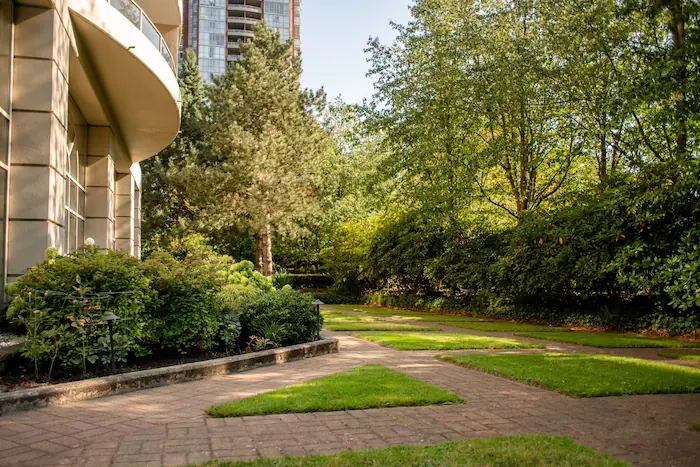
Multi-Unit Properties Need Landscapes Built for Vancouver's Coastal Climate
Multi-unit landscaping in Vancouver demands more than weekly mowing and seasonal color rotations. Apartment buildings, condominiums, and townhome complexes face unique challenges: coastal rain that floods poorly graded beds, resident expectations for year-round curb appeal, and strata budgets that require every dollar to show visible returns. Click the link to learn more about our strata landscaping services in Vancouver.
32 Years Serving Vancouver Strata and Commercial Properties
Terra Firma Lawn and Garden Services has maintained multi-unit properties across Vancouver since 1992. The company understands that property managers need landscapes that attract quality tenants in competitive neighborhoods like Kitsilano and Mount Pleasant, while meeting BCLNA standards and staying within approved budgets.
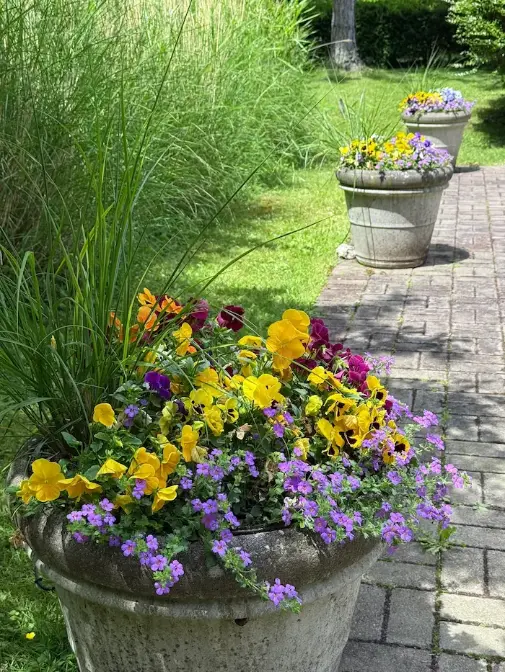
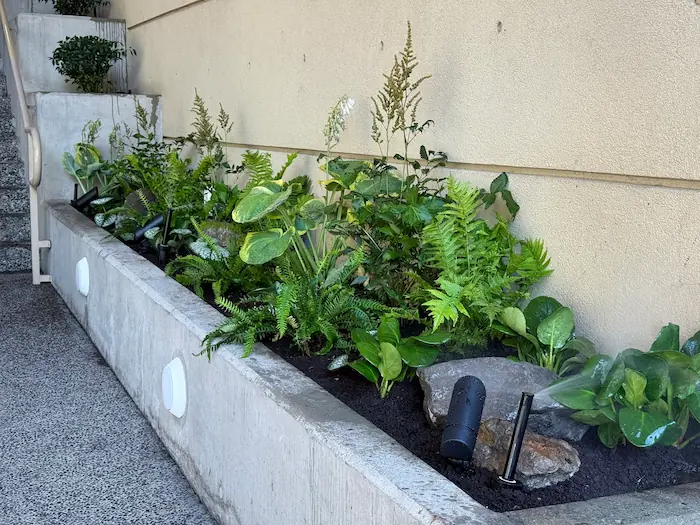
How Proper Plant Selection Solved a West End Strata's Safety Concerns
One West End strata council faced rising complaints about overgrown foundation plantings blocking ground-floor windows and creating safety concerns. Previous contractors had installed fast-growing shrubs without considering mature size or Vancouver’s mild, wet climate that accelerates growth. Terra Firma redesigned the entrance with compact evergreen varieties and native groundcovers that maintain scale year-round. The result: improved sightlines, reduced pruning costs, and residents who take pride in their building’s appearance.
Balancing Curb Appeal, Budget, and Maintenance for Vancouver Multi-Unit Properties
Multi-unit landscaping in Vancouver requires balancing three priorities: curb appeal that supports property values, maintenance plans that respect strata budgets, and plant selections that thrive in coastal conditions. Whether managing a 20-unit townhome complex in Fairview or a 200-unit apartment tower in Yaletown, property managers need reliable partners who understand these demands.
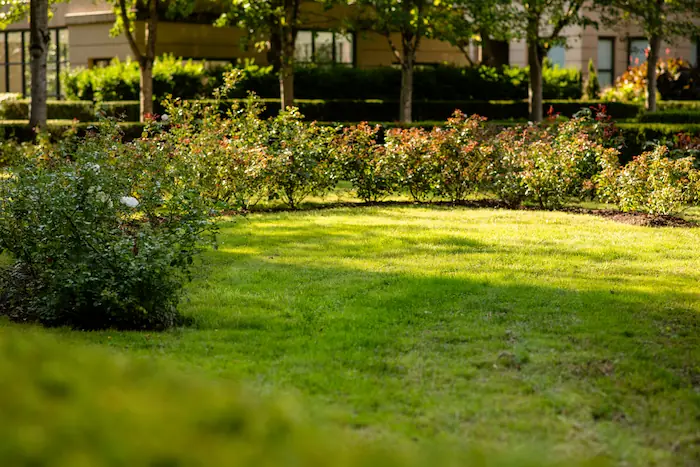
Year-Round Landscape Maintenance for Vancouver Strata and Commercial Properties
Native and Drought-Tolerant Plants Cut Water Use and Maintenance Hours
Native Plants Thrive in Vancouver's Coastal Climate Without Extra Watering
Native and drought-tolerant plants adapted to Vancouver’s coastal climate require less water, fertilizer, and maintenance than non-native ornamentals. Salal, Oregon grape, and sword ferns thrive in the shade and rain common throughout Kitsilano, Mount Pleasant, and the West End. These species evolved to handle wet winters and dry summer months without irrigation systems or supplemental feeding. Vancouver receives most rainfall between October and March, creating natural watering cycles that native plants expect. During summer dry periods from July through September, established natives access deep moisture reserves without weekly irrigation. This climate pattern makes native plantings ideal for multi-unit properties where water costs and maintenance visits directly impact strata budgets.
Matching Native Species to Your Vancouver Multi-Unit Property Conditions
Successful native plantings require matching species to specific site conditions. Shaded north-facing entries support sword ferns and salal, while sunny south-facing slopes favor Oregon grape and kinnikinnick. Coastal gardens in areas like English Bay tolerate salt spray from winter storms, making beach strawberry and seaside juniper practical choices. Terra Firma evaluates sun exposure, soil drainage, and existing irrigation when recommending native species that reduce long-term maintenance requirements. Native plantings need minimal care once established but benefit from annual spring cleanup and occasional pruning to maintain shape. Most native shrubs and groundcovers require pruning every 2-3 years rather than monthly trimming. This reduced maintenance schedule lowers annual landscape costs while keeping common areas attractive for residents and prospective tenants.
Low-Maintenance Groundcovers and Perennials Reduce Strata Landscape Costs
Perennial Plantings Save Thousands Compared to Annual Flower Beds
Perennial plants and groundcovers return each spring without replanting costs. Annual flower beds require purchasing new plants, preparing soil, and installing seasonal displays two or three times per year. Perennials like ornamental grasses, sedums, and creeping thyme establish root systems that spread naturally, filling bare areas and blocking weed growth. Multi-unit properties in Vancouver save hundreds to thousands of dollars annually by replacing high-maintenance annual beds with perennial plantings. Effective groundcovers spread horizontally to cover soil and prevent weed germination. Creeping thyme forms dense mats that block sunlight from reaching weed seeds, while evergreen varieties like kinnikinnick provide year-round coverage. Dense groundcover plantings reduce or eliminate the need for bark mulch replacement, cutting both material and labor costs.
Evergreen Groundcovers Maintain Year-Round Color in Vancouver's Mild Climate
Vancouver’s coastal climate rarely drops below freezing for extended periods, allowing evergreen groundcovers to maintain color throughout winter months. While properties in colder regions face brown landscapes from November through March, Vancouver complexes in Burnaby and Richmond keep green groundcover beds year-round. This continuous color maintains curb appeal during the rainy season when first impressions matter most for property showings and resident satisfaction. Well-planned perennial beds combine early spring bloomers, summer foliage plants, and fall color varieties to maintain visual interest across growing seasons. Ornamental grasses add movement and texture from June through October, while sedums provide late-season color when most plants finish blooming. This layered approach keeps common areas attractive without the constant replanting schedule that annual beds demand.
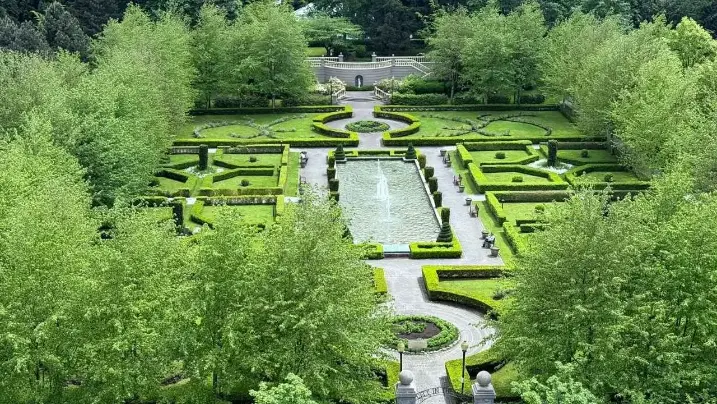
Strategic Front Entrance Design Boosts Curb Appeal and Tenant Interest
Front Entrance Landscaping Reduces Vacancy Rates for Vancouver Multi-Unit Properties
Front entrance landscaping creates the first impression for prospective tenants viewing multi-unit properties. Clean walkways, well-maintained planters, and inviting greenery signal professional management and property pride. In competitive Vancouver rental markets like Fairview and Yaletown, strong curb appeal reduces vacancy periods and attracts quality tenants willing to pay market rates. Properties with neglected entrance landscapes face longer vacancy times and lower-quality tenant applications. Vancouver receives significant rainfall from October through March, making entrance design critical for safety and appearance. Rain-resistant pavers prevent puddles and slippery surfaces near doorways, while covered entry plantings stay attractive despite heavy precipitation. Properties in the West End and throughout Vancouver benefit from architectural evergreens that maintain structure during winter storms. Proper drainage systems channel water away from walkways and foundation plantings, preventing mud and standing water that create poor impressions.
Selecting Entrance Plants and Lighting That Work Year-Round in Vancouver
Effective entrance plantings combine evergreen shrubs for structure, seasonal color for visual interest, and lighting for safety and ambiance. Compact evergreens like boxwood and dwarf conifers maintain shape without blocking sightlines or covering building numbers. Seasonal planters rotate spring bulbs, summer annuals, and fall mums to provide changing color without permanent bed maintenance. LED pathway lighting improves safety during dark winter months while highlighting landscape features. Well-maintained entrance landscapes require weekly attention during growing season and bi-weekly checks during winter. Seasonal tasks include spring cleanup of storm debris, summer deadheading of flowering plants, fall leaf removal, and winter pruning. Regular maintenance prevents overgrown plantings that block signage or create security concerns. Properties with consistent entrance upkeep maintain higher resident satisfaction and stronger reputations among property management professionals.
The 70/30 Green-to-Hardscape Ratio Balances Beauty and Upkeep
How the 70/30 Landscape Ratio Reduces Maintenance Hours for Vancouver Properties
The 70/30 green-to-hardscape ratio dedicates 70 percent of landscape space to planted areas and 30 percent to hardscape elements like walkways, patios, and decorative gravel. This balance provides visual greenery while reducing weekly maintenance requirements. Multi-unit properties in Vancouver with excessive lawn coverage face constant mowing, edging, and irrigation demands. Properties weighted too heavily toward hardscape appear sterile and offer limited environmental benefits. The 70/30 ratio delivers attractive landscapes that support strata budgets and property values. Planted areas include low-maintenance groundcovers, native shrubs, and perennial beds rather than high-maintenance turf grass that requires weekly cutting throughout Vancouver’s long growing season.
Designing Hardscape Features That Lower Long-Term Landscape Costs
Hardscape elements reduce the planted area requiring regular care while adding functional outdoor spaces. Permeable paver walkways handle Vancouver’s heavy rainfall better than solid concrete, allowing water to drain naturally and preventing puddling near building entrances. Decorative gravel beds in high-traffic areas eliminate mud problems common in complexes throughout Burnaby and Richmond during wet months. Retaining walls on sloped properties create level planting beds that simplify maintenance and prevent erosion. Stone patios and seating areas provide resident amenities without ongoing upkeep. Well-planned hardscape installations carry higher initial costs but deliver decades of service with minimal maintenance beyond occasional power washing and weed control in joints.
Seasonal Cleanup and Pruning Schedules Keep Multi-Unit Properties Rental-Ready
Year-Round Maintenance Schedules That Maintain Curb Appeal for Vancouver Strata Properties
Seasonal maintenance schedules prevent landscape decline and keep multi-unit properties attractive throughout the year. Spring cleanup removes winter storm debris, prunes damaged branches, and prepares beds for growing season. Summer maintenance includes regular mowing, edging, irrigation adjustments, and deadheading flowering plants to extend bloom periods. Fall services focus on leaf removal, final lawn treatments, and preparing landscapes for winter dormancy. Winter tasks address storm cleanup and maintain access to walkways and common areas. Properties in Vancouver benefit from year-round service contracts that ensure consistent care regardless of weather conditions or seasonal demands.
Vancouver's Leaf Drop Season Requires Timely Fall Cleanup Services
Vancouver's leaf drop peaks in November when deciduous trees shed foliage across walkways, parking areas, and landscape beds. Accumulated leaves create slipping hazards on wet pavement and block drainage systems, leading to flooding problems during heavy rainfall. Timely leaf removal prevents these safety and water management issues while maintaining appearance during the peak rental season when properties in Fairview and Yaletown compete for quality tenants. Professional fall cleanup services include multiple visits as trees drop leaves over several weeks. Properties with mature deciduous trees require more frequent attention than complexes planted primarily with evergreen species. Regular fall maintenance prevents leaf buildup that smothers groundcovers and creates spring cleanup challenges.
Pruning Schedules That Control Growth and Maintain Plant Health
Strategic pruning maintains plant size, removes dead or damaged growth, and improves overall landscape appearance. Most shrubs and ornamental trees benefit from annual pruning during dormant periods between November and early March. Spring-flowering plants like rhododendrons require pruning immediately after blooming to avoid removing next year's flower buds. Evergreen hedges need shaping twice annually to maintain form and prevent excessive width that blocks pathways or windows. Properties throughout Vancouver face rapid plant growth during mild, wet conditions, making regular pruning essential for controlling size and preventing costly removal and replacement of overgrown specimens. BCLNA-certified maintenance teams understand proper pruning techniques that promote plant health rather than causing stress or creating entry points for disease.
Poor Drainage Planning Causes Expensive Flooding and Plant Failure
Inadequate drainage planning leads to water pooling, foundation damage, and plant death in Vancouver's wet climate. Multi-unit properties require proper grading that directs water away from buildings and prevents standing water in landscape beds. Heavy rainfall between October and March saturates poorly designed beds, drowning plant roots and creating muddy conditions. Properties built on clay soils common throughout Vancouver face additional drainage challenges requiring amended soil and drainage systems. French drains, catch basins, and proper slope grading prevent these problems during initial installation. Correcting drainage failures after construction costs significantly more than proper planning during design phases. Properties in low-lying areas near False Creek and along the Fraser River need particularly careful attention to water management.
Planting Wrong-Zone Species Leads to Winter Damage and Replacement Costs
Selecting plants unsuited to Vancouver's climate zone results in winter damage, disease problems, and eventual replacement expenses. Vancouver falls within USDA hardiness zone 8b, supporting plants that tolerate minimum temperatures around 15-20°F. Tropical and subtropical species marketed at garden centers often survive mild winters but fail during occasional cold snaps. Similarly, plants requiring dry summer conditions struggle in Vancouver's coastal humidity. Property managers avoid these failures by working with landscape professionals who understand regional climate patterns and select proven species. Native and Pacific Northwest adapted plants provide reliable performance without the risk of costly winter losses that damage property appearance and require spring replacement.
Ignoring Mature Plant Size Creates Ongoing Pruning and Removal Expenses
Planting large-growing shrubs and trees in confined spaces creates expensive long-term maintenance problems. Foundation plantings that reach 15 feet tall block windows and require frequent pruning or eventual removal. Trees planted too close to buildings damage roofs, gutters, and foundations as roots spread and canopies expand. Properties throughout Burnaby and Coquitlam face these issues when fast-growing species like Leyland cypress and laurel hedges outgrow their intended spaces. Proper plant selection considers mature size and matches species to available growing space. Compact cultivars and naturally small species eliminate future problems. Root barriers protect hardscape and building foundations from invasive root systems. Planning for mature size during initial installation prevents the need for expensive removals and landscape redesigns within five to ten years.
Common Planting Mistakes That Drive Up Repair and Replacement Expenses
Frequently Asked Questions About Multi-Unit Landscaping in Vancouver
Modern minimalist designs with native plants, West Coast naturalized gardens, and low-maintenance groundcover landscapes suit Vancouver's coastal climate and strata budgets. These styles balance year-round curb appeal with reduced maintenance requirements. Native plant gardens thrive in Vancouver's wet winters and dry summers without supplemental irrigation. Contemporary hardscape designs with architectural evergreens create clean, professional appearances that attract quality tenants. Property managers choose landscape styles based on building architecture, resident demographics, and approved maintenance budgets.
Foundation plantings, courtyard gardens, rooftop greenspaces, parking lot islands, and entry focal points are common landscape categories for Vancouver multi-unit complexes. Foundation plantings frame buildings and soften architectural lines while managing water drainage. Courtyard gardens provide private outdoor spaces for residents in dense urban areas like Yaletown and the West End. Rooftop landscapes add green space where ground-level options are limited. Parking lot islands break up paved areas and meet municipal landscaping requirements. Entry focal points create strong first impressions that influence tenant decisions and property values.
Native perennials, bark mulch beds, gravel pathways, and drip irrigation systems offer long-term savings over high-maintenance lawns and annual flower displays. Native plants require minimal watering, fertilizing, and pest control once established. Bark mulch suppresses weeds and moderates soil temperature while decomposing slowly in Vancouver's climate. Gravel pathways provide durable surfaces without concrete costs or maintenance. Drip irrigation delivers water directly to plant roots, reducing waste and lowering utility bills. These budget-friendly options reduce weekly maintenance hours while keeping properties attractive throughout the year.
Evergreen shrubs, ornamental grasses, automated irrigation systems, and hardscape features reduce weekly maintenance hours and annual service costs. Evergreen plantings maintain appearance year-round without seasonal replacements. Ornamental grasses require only annual cutback rather than weekly mowing. Automated irrigation eliminates manual watering during summer dry periods. Permeable paver walkways, stone patios, and retaining walls provide functional spaces without ongoing care. Properties combining these low-upkeep elements reduce landscape maintenance budgets by 30-50 percent compared to traditional lawn and annual flower designs.
Covered planters with seasonal color, LED pathway lighting, slip-resistant pavers, and architectural evergreens create safe, welcoming entries for Vancouver multi-unit properties. Covered planters protect seasonal displays from heavy rain while adding color near doorways. LED lighting improves visibility during dark winter months and highlights landscape features. Slip-resistant pavers prevent accidents on wet surfaces common from October through March. Compact evergreens like boxwood and dwarf conifers provide year-round structure without blocking building numbers or sightlines. Well-designed entrances reduce vacancy periods and attract quality tenants in competitive rental markets.
Skipping drainage planning, choosing invasive species, ignoring mature plant size, and planting too close to foundations cause expensive problems for Vancouver multi-unit properties. Poor drainage creates flooding, plant death, and foundation damage during Vancouver's wet season. Invasive species like English ivy and bamboo spread uncontrollably, damaging structures and neighboring properties. Oversized plants block windows, damage roofs, and require costly removal within years. Foundation plantings placed too close create moisture problems and root damage as plants mature. Working with BCLNA-certified landscape professionals prevents these common mistakes during initial installation.
Professional Multi-Unit Landscaping Services Throughout Vancouver
Terra Firma Lawn and Garden Services has maintained multi-unit properties across Vancouver since 1992. The company provides BCLNA-certified landscape design, installation, and year-round maintenance for apartment buildings, condominiums, and townhome complexes. Services include native plant installation, seasonal cleanup, pruning schedules, irrigation management, and hardscape design built for Vancouver’s coastal climate.
Property managers throughout Vancouver, Burnaby, Richmond, and the Tri-Cities rely on Terra Firma for landscape solutions that meet strata budgets while maintaining property values. The company understands the unique demands of multi-unit landscaping: balancing curb appeal with maintenance costs, handling Vancouver’s wet winters and dry summers, and meeting BCLNA standards that protect property investments.
Terra Firma have looked after the landscaping in our building for over 17 years. Their rates are reasonable, they are very responsive and passionate about their work. They can always be counted on to problem solve with affordable and environmentally friendly solutions and they keep our building looking great. They truly care about doing a great job and always go above and beyond.
We have relied on Terra Firma for over five years on our site for landscaping services. Generally the work has met or exceeded expectations. We find their team to be knowledgeable and able provide positive impact to plant species on our site to improve plant and tree hardiness despite significant weather events and climatic conditions in the BC Lower Mainland.
I have worked with this company for over 15 years now and I have to say that my experience with them has been great ! I know I can always count on good service!
Contact Terra Firma for Multi-Unit Landscaping in Vancouver
Phone: (604) 761-5296
Email: info@terrafirmalawnandgarden.ca
Location: Serving Vancouver and Greater Vancouver from Coquitlam, BC
Terra Firma provides free site assessments for multi-unit properties throughout the service area. The company evaluates existing landscapes, identifies maintenance challenges, and recommends solutions that fit strata budgets and property goals. All landscape crews complete mandatory Greenius Landscape Safety Training and follow chemical-free, organic practices that protect residents, pets, and the environment.
Service Area Coverage:
- Vancouver (all neighborhoods including West End, Kitsilano, Fairview, Yaletown, Mount Pleasant)
- Burnaby
- Richmond
- Coquitlam and Port Coquitlam
- Tri-Cities region
- Greater Vancouver communities