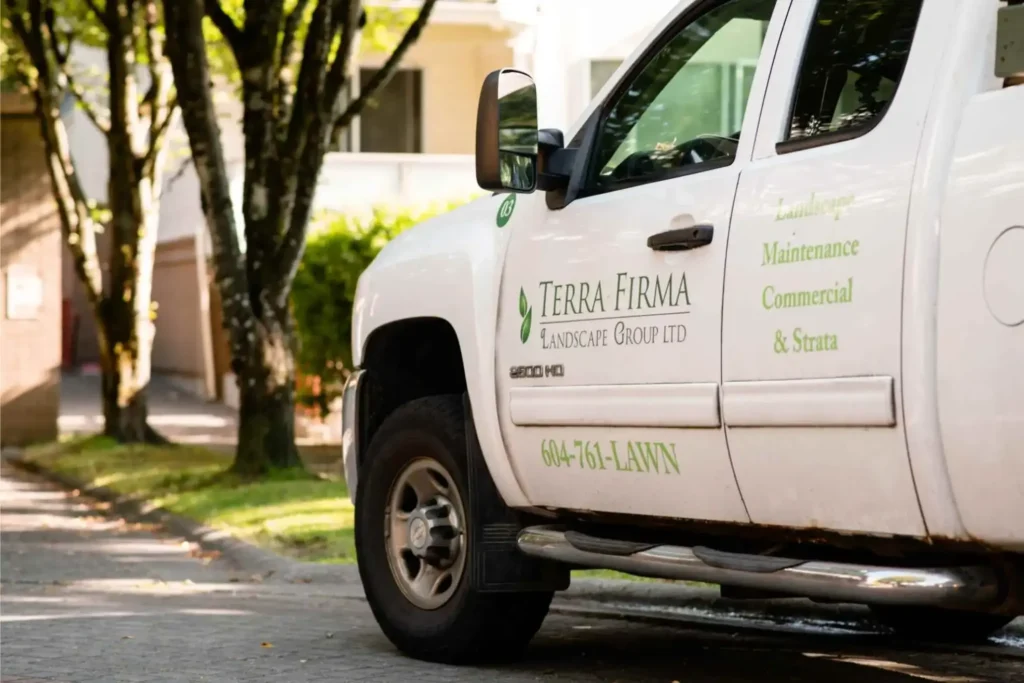

In Richmond BC, strata properties need landscapes that handle wet winters, drainage challenges, and look sharp year-round. From Steveston’s waterfront complexes to City Centre high-rises and Terra Nova townhomes, your grounds set the tone for resident satisfaction and property values. This page covers strata landscaping services including lawn care, hedge trimming, seasonal color, and common-area cleanup that keeps your property compliant with City of Richmond bylaws and looking its best every season.
Terra Firma Lawn & Garden Services brings over 30 years of experience maintaining strata properties across Greater Vancouver. We understand Richmond’s unique delta soil, heavy fall rains, and the liability concerns strata councils face when walkways aren’t safe or hedges block sightlines. Whether you manage a 20-unit townhome complex in Hamilton or a 200-unit tower in Brighouse, our full-service approach keeps your grounds tidy, compliant, and beautiful without the hassle of coordinating multiple contractors.
Book a free walkthrough to see how consistent maintenance keeps your grounds looking professional and your residents happy. Learn more our area served locations around Greater Vancouver.
What Does Strata Landscaping Include in Richmond BC?
Strata landscaping in Richmond BC covers all grounds maintenance for multi-unit properties. A landscaper handles lawns, gardens, walkways, and drainage to keep common areas safe and attractive. Services include:
- Weekly or bi-weekly lawn mowing and edging during spring and summer to prevent overgrowth and maintain clean borders along pathways
- Pruning hedges, shrubs, and trees to maintain sightlines, curb appeal, and compliance with city clearance requirements
- Seasonal planting, mulching, and leaf removal to prevent drainage issues and keep beds looking fresh through every season.
Richmond’s wet climate requires drainage-friendly plant choices and regular clearing around landscaped beds. Clay-heavy delta soil drains slowly, so proper grading and sand amendments help prevent standing water near building foundations.

Strata Landscaping Includes Lawn Mowing, Pruning, and Seasonal Planting
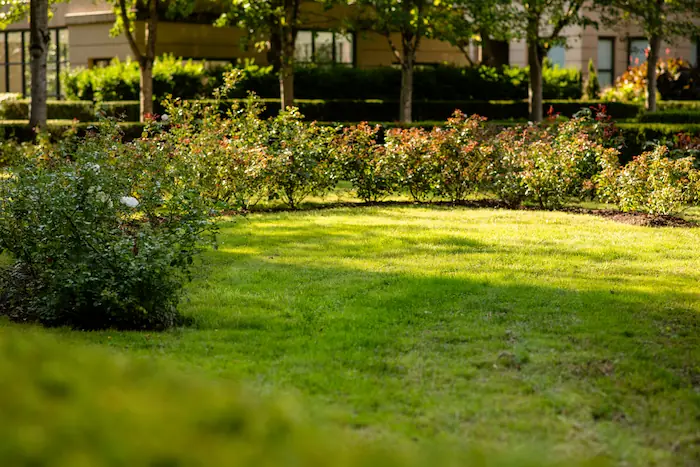
Strata councils in Richmond book full-service plans to keep lawns, hedges, and flower beds looking sharp without hiring separate crews for different tasks. One landscaper handles mowing, edging, pruning, mulching, and planting so your property stays tidy every week. This approach saves time on vendor coordination and makes sure quality stays consistent across all common areas.
Richmond’s wet springs mean grass grows fast. Weekly visits from May to September stop overgrowth and keep walkways clear. Bi-weekly service works well during slower growth periods in early spring and late fall. Regular mowing also stops thatch buildup that creates brown patches and drainage problems in lawn areas.
Lawn Care That Matches Richmond's Growing Season
Spring growth starts early in Richmond, often by mid-March when temperatures warm up. Your landscaper adjusts mowing height based on grass type and season. Higher cuts in summer save moisture, while shorter spring cuts help grass grow thick and healthy. Edging along walkways and driveways creates clean lines that make properties look professionally maintained.
Hedges need attention throughout the growing season. Pruning in late spring controls size before summer growth, while light trimming in August keeps shapes tidy. Flowering shrubs get pruned after blooms fade to avoid cutting off next year’s flowers. Trees need annual inspection for dead branches that could fall during winter windstorms common around Richmond.
Seasonal Planting Adds Color and Interest
Flower beds work best with seasonal rotation. Spring bulbs and pansies provide early color, while summer annuals like petunias and marigolds bloom through September. Fall mums and ornamental kale keep color going into November. Perennials like hostas and daylilies cut replanting costs and provide reliable blooms year after year.
Mulch application in spring stops weeds and keeps moisture in during dry summer months. A fresh two-inch layer around shrubs and in beds stops soil washing away during heavy rains. Organic mulch breaks down over time, making soil better in Richmond’s heavy clay.
Year-Round Maintenance Plans Reduce Emergency Repairs for Strata Propertie
Councils managing properties in Surrey and Coquitlam choose scheduled visits over reactive emergency calls that cost considerably more. Monthly or quarterly maintenance plans cover lawn care, pruning, irrigation checks, and seasonal cleanup tasks. Properties with regular service experience emergency calls dropping by more than half compared to reactive-only approaches.
Spring growth accelerates after mild Vancouver winters. Scheduled visits in March and April control fast-growing plants before they get out of hand. Summer maintenance covers mowing, edging, weeding, and irrigation management to prevent drought stress and pest infestations. Fall preparation includes aerating lawns, fertilizing turf, and protecting sensitive plants before winter arrives.

Professional Landscapers Handle Bylaw Requirements and Strata Council Standards
Strata councils in Vancouver must meet city weed control bylaws, fire safety clearances, and accessibility standards for walkways. Licensed landscapers know local requirements and document maintenance to back up compliance records. They prepare reports for council meetings and coordinate with city inspectors as needed.
Vancouver bylaws require properties to control invasive species like English ivy, Himalayan blackberry, and Japanese knotweed. Ignoring invasive species control leads to fines and mandatory removal orders from the city. Fire safety regulations demand vegetation clearance around buildings and emergency access routes. Licensed contractors maintain proper insurance coverage including liability protection and workers compensation.
Richmond Strata Properties Need Drainage-Friendly Plant Choices
Properties in low-lying neighborhoods like Hamilton or Seafair deal with standing water after heavy rain. A landscaper picks native grasses, shrubs, and groundcovers that soak up runoff and cut down on puddles near building foundations. The right plants turn problem areas into nice features that need less work than regular lawns.
Richmond sits on the Fraser River delta with clay-heavy soil that drains slowly. Planting beds need sand mixed in and proper grading to move water away from buildings. Rain gardens filled with water-loving plants like sedges, Pacific ninebark, and red twig dogwood handle wet spots while adding visual interest to common areas.
Native Plants Thrive in Richmond's Wet Climate
Salal, Oregon grape, and sword fern grow naturally in coastal BC conditions. These plants handle winter wet and summer dry without constant attention. They fill in beds quickly, crowding out weeds and cutting down on maintenance time. Evergreen varieties provide year-round structure when other plants lose their leaves.
Popular Native Plants for Richmond Strata Properties:
- Salal: Thick evergreen groundcover, handles shade and wet soil, grows 2-4 feet tall
- Oregon Grape: Yellow spring flowers, blue berries, stays green all year, deer resistant
- Kinnikinnick: Low spreading groundcover, pink flowers, red berries, great for slopes
- Red Twig Dogwood: Bright red stems in winter, handles wet areas, grows 6-8 feet
- Pacific Ninebark: White flower clusters, peeling bark adds interest, drought tolerant once established
- Sword Fern: Classic BC native, handles dry shade, stays green year-round
Groundcovers like kinnikinnick and wild strawberry spread to cover soil between larger plants. They stop erosion on slopes and cut down on the need for mulch replacement. These low-growing options work well in areas where mowing is hard or where you want to replace grass with options that need less work.
Grading Prevents Water Damage to Buildings
Proper slope directs rainwater away from foundations and toward storm drains. Even a six-inch difference in soil level stops basement seepage and foundation problems. French drains or dry creek beds handle heavy flow during winter storms. These features blend into landscaping while protecting your building investment. Catch basins need clear access so landscapers can remove debris before it blocks drainage. Plant beds around drains use coarse bark or river rock instead of fine mulch that washes into grates. Smart placement of plants filters runoff without creating new blockages.
Regular Visits Catch Small Problems Early
Monthly walkthroughs spot problems like diseased plants or drainage issues before they turn into expensive repairs. A drainage problem found early saves major costs later. Finding it during a routine visit protects your landscape investment. Pest problems show up early with regular checks. Aphids on roses, root weevils on rhododendrons, or moss taking over lawns all respond better to early treatment. Your landscaper recommends chemical-free solutions first, using targeted treatments only when needed to protect plant health.
Litter and Debris Removal Improves Curb Appeal
Common areas collect windblown trash, fallen branches, and leaves between major cleanups. Regular removal keeps pathways clear and stops debris from blocking drains. This attention to detail makes properties look cared for, which matters to residents and potential buyers touring the building. Parking areas and entry points get priority during litter pickup. These high-visibility zones create first impressions for visitors and delivery drivers. Clean, well-maintained entrances show professional management and help residents feel proud of their community.
Monthly Maintenance Visits Keep Common Areas Clean and Code-Compliant
Strata managers in Richmond BC need routine care to meet city bylaws on grass height and hedge clearance. Scheduled visits cover mowing, pruning, litter pickup, and walkway edging so your property avoids bylaw notices and looks welcoming to residents and visitors.
City of Richmond bylaws require grass under 20 centimeters and hedges trimmed back from sidewalks. Monthly service keeps you compliant year-round. Your landscaper documents each visit with service reports showing completed tasks, which helps if questions come up about maintenance standards.
Fall Leaf Removal Prevents Walkway Hazards and Drainage Blockages
Properties with mature maples or oaks in Broadmoor or Blundell face heavy leaf drop from October through November. A landscaper blows, rakes, and hauls leaves before they block storm drains or create slippery spots on pathways. Regular removal during peak leaf fall protects residents and keeps water flowing properly.
Richmond’s fall rains turn wet leaves into slip hazards within days. Leaves on concrete or asphalt become slick, raising fall risks for residents walking to their cars or checking mail. Regular removal gets rid of this liability concern while stopping staining on hard surfaces.
Richmond's Fall Leaf Season Timeline
| Month | Leaf Fall Level | Recommended Service | Key Tasks |
|---|---|---|---|
| September | Light | Bi-weekly | Monitor mature trees, clear early drop |
| October | Heavy | Weekly | Full property blow and rake, clear drains |
| November | Peak | Weekly | Intensive removal, drain maintenance |
| December | Moderate | Bi-weekly | Final cleanup, prepare for winter |
Storm drains clog quickly when surrounded by mature trees. A single heavy rainfall can back up blocked drains and flood walkways or parking areas. Weekly blowing clears catch basins and keeps water moving off your property and into city systems where it belongs.
Ground-level drainage systems work properly only when leaves don’t block the flow toward street drains. Properties near Minoru Park or along tree-lined streets in Steveston need extra attention during peak fall months when mature street trees shed leaves onto private property.
Leaves Block Drains and Create Flooding
Composting Leaves Reduces Disposal Costs
Many landscapers compost collected leaves rather than sending them to landfills. Composted leaf mulch returns to your beds the following spring, closing the loop and adding organic matter to improve soil. This approach cuts waste fees while helping your landscape.
Properties with large lawn areas benefit from mulch-mowing during light leaf fall. Shredded leaves feed the grass as they break down, cutting fertilizer needs. This technique works best with moderate leaf volume. Heavy piles still need collection and removal to prevent smothering the grass underneath.
Native Shrubs and Groundcovers Cut Water Use on Strata Lots
Strata councils looking to lower costs and meet Metro Vancouver water-use goals benefit from native plant choices. Planting salal, Oregon grape, and kinnikinnick cuts summer watering needs and fills beds with year-round green. These plants evolved in Pacific Northwest conditions and thrive with little help once established.
Richmond summers are dry, with little rain from June through September. Native plants survive these conditions and handle the occasional water restrictions the city puts in place during drought years. Established natives need deep watering once every two weeks instead of frequent shallow watering that wastes water and makes shallow roots.
Long-Term Savings Through Smart Plant Choices
Native plants need less fertilizer, pest control, and replacement than high-maintenance exotic species. They resist local diseases and pests better, cutting treatment costs and chemical use. Initial investment in quality natives pays back through lower annual maintenance expenses that add up over years of ownership.
Mature native plantings raise property values by creating attractive, low-maintenance landscapes that appeal to buyers who care about the environment. Green building certifications and sustainability programs now recognize water-wise landscaping as valuable property features that make buildings more marketable.
Terra Firma have looked after the landscaping in our building for over 17 years. Their rates are reasonable, they are very responsive and passionate about their work. They can always be counted on to problem solve with affordable and environmentally friendly solutions and they keep our building looking great. They truly care about doing a great job and always go above and beyond.
We have relied on Terra Firma for over five years on our site for landscaping services. Generally the work has met or exceeded expectations. We find their team to be knowledgeable and able provide positive impact to plant species on our site to improve plant and tree hardiness despite significant weather events and climatic conditions in the BC Lower Mainland.
I have worked with this company for over 15 years now and I have to say that my experience with them has been great ! I know I can always count on good service!
Professional Strata Landscaping Protects Your Investment
Richmond strata properties face unique maintenance challenges from delta soil conditions, wet winters, and strict municipal bylaws. Professional landscaping keeps your grounds safe, attractive, and compliant year-round. Regular maintenance stops small problems from becoming expensive repairs while keeping up the property values that matter to owners and buyers.
Terra Firma has maintained strata properties across Greater Vancouver since 1992. We understand the balance strata councils need between quality appearance and budget control. Our chemical-free approach protects residents and meets BCLNA standards while delivering the consistent results your property deserves.
Schedule a free property walkthrough to discuss your specific needs and see how reliable landscaping cuts your management stress while keeping residents happy.
We Also Served
- Coquitlam
- Port Coquitlam
- Port Moody
- Vancouver
- North Vancouver
- West Vancouver
- Burnaby
- New Westminster
- Surrey
- Langley
- Maple Ridge
- Pitt Meadows
- White Rock